In this article we’ll look at what Gary Brecka personally eats, and the diet guidelines he gives others.
Gary Brecka’s diet is whole-food, animal-protein heavy, fermented at most meals, and built around a single morning rule: protein and movement before anything else. He runs his clients on a version of Tim Ferriss’s 30-30-30 method – 30 grams of protein within 30 minutes of waking, followed by 30 minutes of steady-state cardio – and credits Ferriss for the original idea (source).
TLDR: Gary Brecka’s Diet Routine
- Morning drink: He starts every day with Perfect Aminos and Baja Gold sea salt stirred into water before eating anything. Coconut water is his occasional swap.
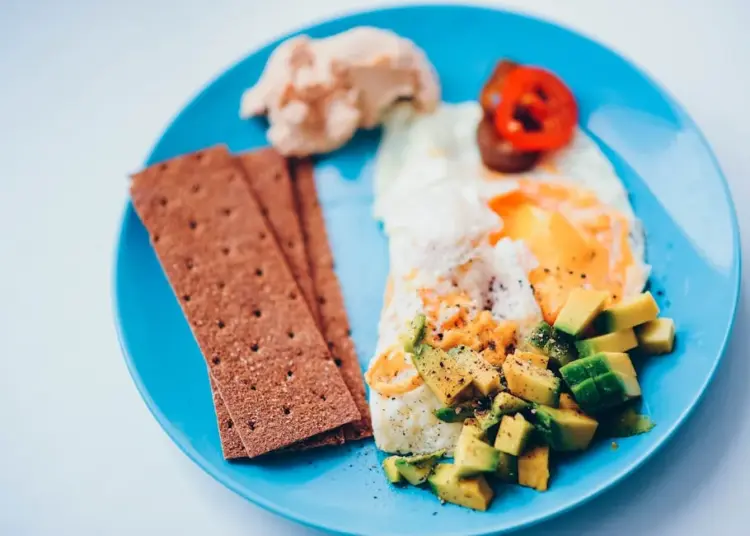
- Breakfast: Either a pasture-raised egg omelet with avocado, arugula, and sea salt, or raw whole-fat A2 Greek yogurt with a fistful of berries and a teaspoon of honey.
- Protein: Grass-fed beef, wild-caught salmon, and pasture-raised eggs are his main sources.
- Vegetables and fats: Non-starchy vegetables only like arugula, asparagus, broccoli, and Brussels sprouts. He cooks exclusively in ghee, coconut oil, avocado oil, or olive oil, and keeps seed oils out of his kitchen entirely.
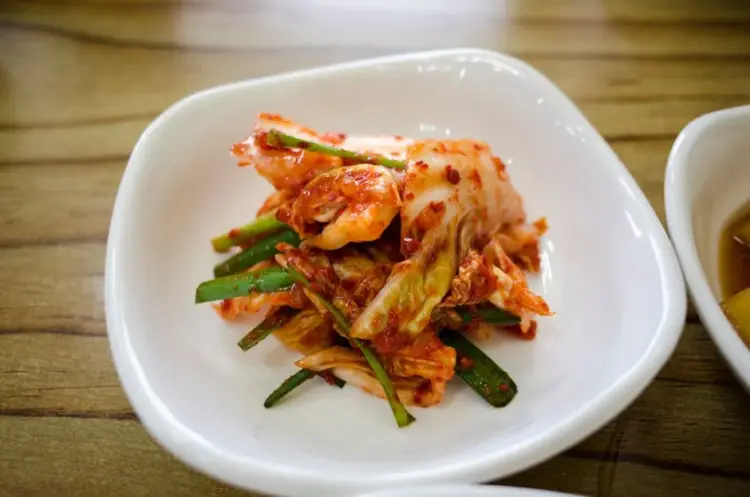
- Fermented foods: Kimchi or sauerkraut at two of his three meals, every single day. Not occasional, it’s a fixed part of his routine.
- Daily supplements: His stack includes Perfect Aminos, a 10X Optimize methylated multivitamin, 1.5g of liposomal creatine from Cymbiotika, 2 to 4g of EPA/DHA omega-3, magnesium threonate before bed, and D3 with K2 daily.
- Whole foods vs processed: The closer food is to its source, the better. That’s the principle he runs everything through. In practice, he shops the perimeter of the grocery store and avoids the inner aisles altogether.
- 30-30-30 diet: 30g of protein within 30 minutes of waking, followed immediately by 30 minutes of low-intensity cardio. He picked it up from Tim Ferriss and later ran a public challenge with 53,000 participants.
- Foods to eat: His meals are built around grass-fed beef, wild salmon, pasture-raised eggs, raw whole-fat A2 dairy, fermented foods, and healthy fats.
- Gut health: He treats the gut as a second brain and keeps his baseline tight. Fermented vegetables daily, filtered water, consistent sleep, and low stress. For a full reset, he suggests three days of bone broth, then fermented foods, then wild-caught salmon.
- Post-workout nutrition: Raw whole-fat A2 Greek yogurt with berries and a teaspoon of honey is his go-to after training. He aims to eat within 30 to 45 minutes and goes protein first, then carbs like berries or sweet potatoes, then healthy fats.
Gary Brecka’s Personal Diet and Daily Routine

Brecka’s own routine is consistent and unfussy. Steady-state cardio every morning, weight training at least four times a week, and a diet built around grass-fed beef, salmon, pasture-raised eggs, non-starchy vegetables, healthy fats, and fermented foods twice a day or more.
Morning Drink – Perfect Aminos and Baja Gold
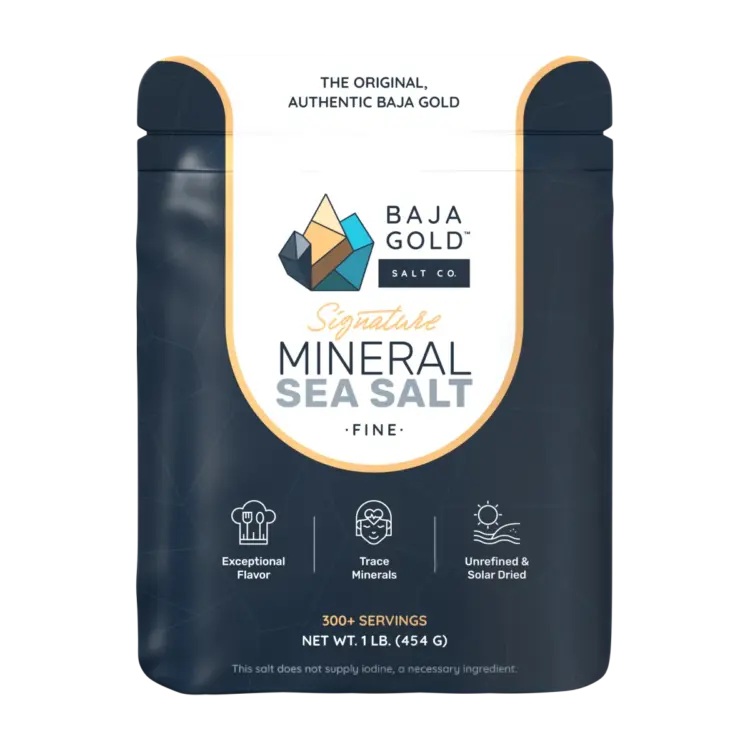
Before food, Brecka drinks water with Perfect Aminos and Baja Gold sea salt. The aminos cover essential amino acids without spiking insulin, and the unrefined sea salt provides trace minerals and sodium for hydration. He sometimes substitutes coconut water, which he calls “nature’s Gatorade” (source).
100% coconut water carries roughly 16 grams of natural sugar per serving, so it’s a real carbohydrate source, not a zero-calorie drink.
Catch the full discussion here. This part of the episode starts at ≈2:13.
Breakfast – Eggs or Yogurt
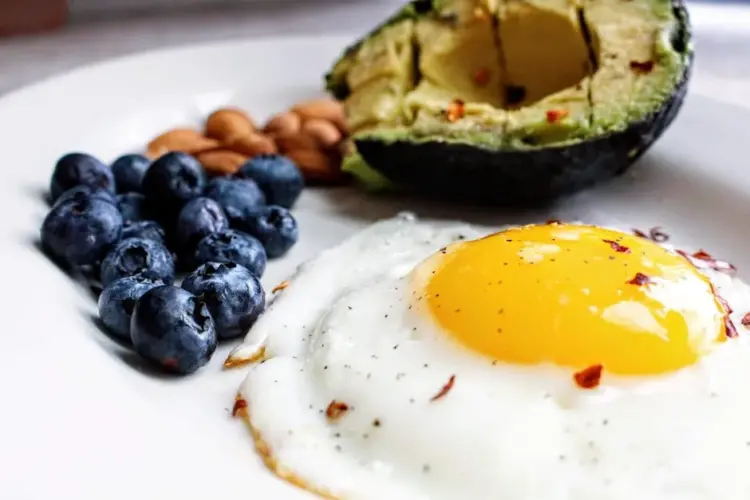
Gary Brecka’s breakfast can be divided into two parts. The first is an egg omelet with avocado, Baja Gold sea salt, crushed black pepper, and a fistful of arugula on the side. The second, more often after training, is raw whole-fat A2 Greek yogurt with a fistful of berries and sometimes a teaspoon of honey (source).
A2 dairy refers to milk from cows that produce only the A2 beta-casein protein, which some people find easier to digest than the A1 variant common in conventional dairy.
Protein Sources
Brecka’s protein staples:
- Grass-fed beef – his preferred red meat.
- Wild-caught salmon – for protein and omega-3s.
- Pasture-raised eggs – a daily fixture, usually as an omelet.
- Perfect Aminos – essential amino acids in the morning and post-workout.
Vegetables and Fats
He sticks to non-starchy vegetables – arugula, asparagus, broccoli, Brussels sprouts – and cooks in ghee, coconut oil, avocado oil, or olive oil. Seed oils are out (see Foods to avoid).
Fermented Foods
Kimchi and sauerkraut appear in at least two of his three meals each day – a deliberate, daily intake of live cultures rather than a once-a-week side dish (source).
Watch the full episode here. Gary covers this topic from ≈6:48.
Exercise
Steady-state cardio every morning, weight training a minimum of four times a week. He pairs the cardio with essential amino acids rather than carbohydrates – the logic shows up again in his fat loss guidance below.
Supplements
Diet and supplements overlap for Brecka – several items he treats as daily non-negotiables rather than optional add-ons. The core ones that sit closest to his diet protocol:
- Perfect Aminos – essential amino acids taken every morning before food and again post-workout.
- 10X Health Methylated Multivitamin – activated B-vitamin forms to address nutrient deficiencies. He’s vocal about avoiding synthetic folic acid in standard multivitamins. See the Gary Brecka methylated multivitamin guide for the full breakdown.
- Creatine – 1.5g daily in liposomal form (Cymbiotika). He covers both the physical and cognitive case for it. More in the Gary Brecka creatine article.
- Omega-3 – 2 to 4g combined EPA/DHA daily in triglyceride form, for heart and brain health.
- Magnesium Threonate – 200 to 400mg before bed for sleep and relaxation.
- Vitamin D3 with K2 – 5,000 IU D3 paired with 80 to 120mcg K2 daily.
- Baja Gold sea salt – trace minerals and sodium, a quarter teaspoon in morning water.
For the complete stack including NAD+, NMN, resveratrol, methylene blue, and others, see the Gary Brecka supplement list.

The Gary Brecka Diet Guidelines
This section outlines dietary suggestions Gary Brecka has shared publicly through appearances on The Ultimate Human podcast and related weight loss content, focusing on guidance he gives to clients and audiences rather than his personal routine.
Whole Foods Over Processed
Brecka’s whole-foods principle is summed up in one line: it’s not the food itself, it’s the distance from the food to the table (source). The shorter the chain from soil or sea to plate, the better.
Practical version – shop the perimeter of the grocery store. The perimeter is where the perishables live: produce, meat, fish, eggs, dairy. The inner aisles are mostly shelf-stable processed foods.
He believes that matched-calorie diets produce different outcomes depending on processing. People eating processed meals report hunger again within roughly 30 minutes; people eating whole foods stay satisfied longer and consume fewer calories overall.
He also notes that soil nutrient depletion means modern food-label nutrient density data understates what produce actually delivered decades ago – so the case for whole foods is partly about what’s still in them, not just what’s been added.
Listen to the full episode here. This clip starts at ≈0:45.
Gary Brecka 30-30-30 Diet Approach
The protocol is simple:
- 30 grams of protein within 30 minutes of waking.
- 30 minutes of steady-state cardio immediately after.
Brecka attributes the method to Tim Ferriss and The 4-Hour Body – he says Ferriss “deserves credit for it” (source).
He ran a public 30-30-30 challenge with around 53,000 participants and reports “pretty dramatic” changes over six weeks (source). This is an anecdotal cohort report, not a controlled trial.
A note on the evidence: high-protein breakfasts have independent support for appetite control and blood-sugar stability (American Journal of Clinical Nutrition), but the named “30-30-30” protocol itself is not a peer-reviewed intervention. Treat the components as evidence-backed and the brand-name protocol as a popular framing rather than established science.
Brecka says the 30-30-30 diet may be more useful for people dealing with insulin resistance or weight loss goals, while people who are already insulin-sensitive may not respond the same way. He also suggests some individuals may prefer fasted morning workouts with essential amino acids instead of a 30-gram protein breakfast, arguing this can help preserve lean mass without the same insulin response. These distinctions are often simplified or omitted in broader coverage of the protocol.
Hear Gary Brecka explain this in full here. This segment begins at ≈7:11.
Foods to Eat
The shortlist Brecka points to repeatedly:
- Animal protein – grass-fed beef, wild salmon, pasture-raised eggs, raw whole-fat A2 dairy.
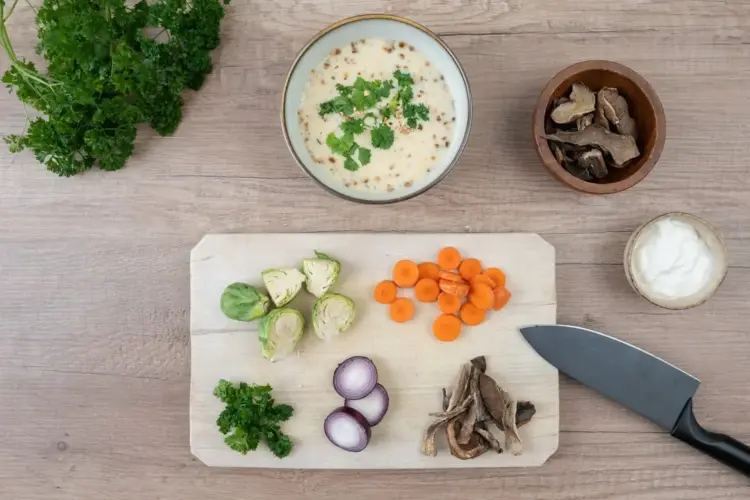
- Non-starchy vegetables – arugula, broccoli, Brussels sprouts, asparagus.
- Fermented vegetables – kimchi, sauerkraut, eaten daily.
- Healthy fats – ghee, coconut oil, avocado oil, olive oil, avocados, fatty fish.
- Berries – small portions, usually with yogurt or post-workout.
- Filtered or hydrogen-rich water – to avoid chlorine, fluoride, and microplastics from tap, though claims about additional health benefits remain scientifically unproven.
Foods to Avoid
The list Brecka warns against:
- Seed oils – canola, soybean, corn.
- Refined sugar and white flour.
- Fortified or enriched foods, especially those with added synthetic folic acid.
- Whey protein – he prefers free-form essential amino acids.
- Flavored yogurts – usually high in added sugar.
- Non-organic produce.
- Tap water – chlorine, fluoride, microplastics.
He also calls out what he labels “The Big 3” grains to limit: corn, soy, and wheat.
Gut Health
Brecka treats the gut as central to immune, skin, and cognitive health – “the second brain.” Two anatomical points he leans on:
- Roughly 70 to 80% of the immune system sits in tissue around the gut lining.
- A large share of the body’s neurotransmitters are made in the gut and signal upward via the vagus nerve. Brecka says around 90% of the body’s serotonin is produced there (source). Worth noting that gut serotonin is mostly involved in motility and local signalling rather than mood directly – the brain synthesises its own.
Practical tips he suggests:
- Eat fermented vegetables (kimchi, sauerkraut) daily.
- Drink filtered, hydrogen-rich, or otherwise clean water.
- Manage stress – chronic stress alters the gut microbiome.
- Keep consistent bedtimes.
He also suggests a 3-day gut reset:
- Day 1 – eliminate common irritants (seed oils, refined sugar, alcohol, processed foods) and add bone broth.
- Day 2 – add kimchi and sauerkraut.
- Day 3 – add wild-caught salmon and other omega-3-rich foods.
Post-Workout Nutrition
Brecka frames the post-workout window as 30 to 45 minutes after exercise, with two hours as the outer limit. Priority order:
- Amino acids / protein – 20 to 40 grams of protein-equivalent. He prefers Perfect Aminos or lean meats and fish.
- Carbohydrates – to replenish glycogen. Berries, white rice, quinoa, sweet potatoes.
- Healthy fats – avocado, olive oil, fatty fish.
For hydration he suggests Celtic or Baja Gold sea salt in water, or coconut water. A homemade option: water, a pinch of sea salt, lemon juice, and a teaspoon of honey.
The component evidence here is reasonably well established – essential amino acids support muscle protein synthesis after exercise (NIH), and combining protein with carbohydrate improves recovery (JISSN).
Listen to the complete episode here. Gary describes his go-to breakfast from ≈8:36.
Fat Loss Strategy
Brecka’s core argument is that fat is burned slowly over time, not intensely in short bursts. A long, intense fasted cardio session can backfire: once glycogen runs out, the body breaks down lean muscle for fuel. As he puts it, exercising at high intensity in a fasted state doesn’t improve fat loss (source).
His two-track suggestion:
- Insulin-sensitive people – 30-30-30 (protein, then steady-state cardio).
- Insulin-resistant people – fasted steady-state cardio with essential amino acids instead of a protein meal.
A concrete starting point he gives: 35 minutes of steady-state cardio with around 15 grams of essential amino acids, daily for 30 days, then recheck BMI (source).
He’s also vocal about GLP-1 drugs like Ozempic and semaglutide: people on them lose lean body mass alongside fat. The weight comes off, but body composition can worsen. This is a recurring point in the published critique of GLP-1s, not unique to Brecka.
Andrew Huberman’s diet and routine covers a different take on fasted training – Huberman uses fasted exercise for metabolic adaptation rather than as a fat-loss-specific lever.
Roundup
Overall, Gary Brecka’s diet is one of the more structured approaches in the biohacking space — whole foods, animal protein, fermented vegetables at most meals, and supplements chosen to fill specific gaps rather than pad a stack. The 30-30-30 diet approach gives it a practical entry point, even if the underlying principles (protein at breakfast, steady-state cardio, minimal processing) are more important than the exact numbers. His personal routine and the guidelines he gives clients track closely, which is relatively rare.
The caveats worth holding onto: the protocol isn’t one-size-fits-all (insulin sensitivity matters), and his dietary advice is more evidence-grounded than some of his broader public claims.
Further Reading
If you want to see how other well-known figures approach what they eat, these diet breakdowns are worth exploring:
- Dr Rhonda Patrick Diet — A nutrient-dense, science-backed way of eating built around longevity, micronutrients, and the foods she considers non-negotiable.
- Dom D’Agostino Diet — A look inside the ketogenic routine of one of the world’s leading metabolic researchers, right down to the supplements he stacks alongside it.
- Joe Rogan Diet — Inside his return to the carnivore diet, the results he’s reported, and what a full day on his plate actually looks like.
- PD Mangan Diet — A protein-heavy, longevity-driven approach to eating, complete with real meal photos showing how simple it stays.
If you have any questions or comments on Brecka’s diet, please leave them below.
FAQ
Brecka starts the day with water, Perfect Aminos, and sea salt, followed by either a pasture-raised egg omelet with avocado and arugula or raw A2 Greek yogurt with berries and honey. Later meals centre on grass-fed beef, wild-caught salmon, or eggs with non-starchy vegetables cooked in ghee, coconut oil, avocado oil, or olive oil. Kimchi or sauerkraut features at two of his three daily meals.
The 30-30-30 method is 30 grams of protein within 30 minutes of waking, followed by 30 minutes of steady-state cardio. Brecka credits Tim Ferriss and The 4-Hour Body with the original idea (source). The named protocol is not a peer-reviewed trial, though high-protein breakfasts have independent evidence for appetite and blood-sugar effects.
Brecka avoids seed oils (canola, soybean, corn), refined sugar, white flour, fortified or enriched foods with synthetic folic acid, whey protein, flavored yogurts, non-organic produce, and tap water. He also limits what he calls “The Big 3” grains – corn, soy, and wheat.
Yes – but mostly from non-starchy vegetables, berries, and, post-workout, sources like white rice, quinoa, or sweet potatoes. He limits refined grains and sugar, and treats carbohydrates as a recovery tool rather than a daily staple.
His preferred post-workout meal is raw whole-fat A2 Greek yogurt with a fistful of berries and a teaspoon of honey (source). More broadly, he suggests 20 to 40 grams of protein, some carbohydrate to replenish glycogen, and healthy fats – within 30 to 45 minutes of finishing exercise.
Thumbnail: Photo by Gage Skidmore / Wikimedia Commons/ CC BY-SA 2.0
Disclaimer: The above information is for research and educational purposes only and not a substitute for professional medical advice. See full medical disclaimer.
Note: We have no affiliation with Gary Brecka - this article is based on publicly shared information.


.jpg)