This article discusses key peptides Huberman has discussed and used, with specific protocols, dosing, and stacking strategies.
Sourced from his conversation with Dr. Craig Koniver (a physician specializing in performance medicine with 15+ years of peptide prescribing experience) and Dr. Kyle Gillett podcast (an expert in hormone optimization).
Quick Reference Table
| Peptide | Primary Use | Current Status | Huberman Tried? |
|---|---|---|---|
| Sleep & Circadian | |||
| Pinealon | REM sleep enhancement | Available via compounding | Yes |
| Epitalon | Circadian rhythm, DNA repair | Banned by FDA | No |
| Tissue Repair & Immune | |||
| BPC-157 | Anti-inflammatory, healing | Banned Oct 2023 | Yes |
| Pentadeca Arginate | BPC-157 alternative | Available via compounding | No |
| Thymosin Alpha-1 | Immune modulation | Reapproved March 2026 | No |
| Growth Hormone Secretagogues | |||
| Ipamorelin | Sleep, body composition, recovery | Reapproved March 2026 | Discussed |
| Sermorelin | GH release, sleep, recovery | Available via compounding | Yes (discontinued) |
| Tesamorelin | Visceral fat reduction | FDA-approved (Egrifta) | Discussed |
| Other | |||
| Cerebrolysin | BDNF, brain recovery | Available | No |
| Dihexa | BDNF enhancement | Banned by FDA | No |
| PT-141 | Libido, sexual function | FDA-approved (Vyleesi) | No |

What Are Peptides & Why So Popular?
Peptides are short chains of amino acids naturally occurring in the body that play many important roles1Peptide synthesis in vivo | Friedberg et al. | 1947 | Journal of Biological Chemistry.

Certain peptides have gained popularity for their potential benefits related to muscle building2Mechano Growth Factor E peptide (MGF-E), derived from an isoform of IGF-1, activates human muscle progenitor cells and induces an increase in their fusion potential at different ages | Kandalla et al. | 2011 | Mechanisms of Ageing and Development, fat loss3Metabolic studies of a synthetic lipolytic domain (AOD9604) of human growth hormone | Ng et al. | 2000 | Hormone Research, injury recovery4Evaluation of the effects of topical tripeptide-copper complex and zinc oxide on open-wound healing in rabbits | Cangul et al. | 2006 | Veterinary Dermatology, and anti-aging5Topical Peptide Treatments with Effective Anti-Aging Results | Schagen | 2017 | Cosmetics . Huberman has once said: “Every Hollywood star out there is on peptides.”
Some peptides act as hormones that help regulate bodily processes like growth, appetite, reproduction, inflammation and more6Therapeutic peptides: current applications and future directions | Wang et al. | 2022 | Signal Transduction and Targeted Therapy.
Other peptides work as chemical messengers between cells, transmitting signals throughout the body7 Chemical messengers: a view from the gut | Grossman | 1979 | Federation Proceedings.
In recent years, there has been growing interest in supplementing with specific peptides like sermorelin, ipamorelin, BPC-157, and others.
Peptide Protocols
The real value of peptide therapy, according to Koniver, is not in individual peptides but in how they are combined. “One plus one doesn’t equal two – it equals four,” he says of stacking peptides that work on complementary pathways. Below are the specific protocols discussed on the Huberman Lab Podcast.
REM Sleep: Pinealon + Glycine
This is the most striking personal finding Huberman has shared about any peptide. Over four to six months of use, pinealon doubled his REM sleep – from roughly 1-1.5 hours to nearly 3 hours per night, tracked objectively with a sleep tracker.
- Protocol: Injectable pinealon combined with (oral) glycine, used intermittently (not every night)
- Glycine dose: 3,000-5,000 mg (calms the nervous system, supports liver detoxification)
- Side effects: Huberman didn’t have any, Koniver notes he hasn’t seen them, but large-scale RCTs don’t yet exist to fully understand the side-effect profile.
- Interesting insight: Huberman observed that his sleep improved even on nights he did not take pinealon. He and Koniver theorize this could indicate regeneration of pinealocyte function, though no published research has demonstrated this for pinealon specifically. (Khavinson’s team, who discovered these peptides, showed pinealocyte stimulation with the related peptide epithalon, but not pinealon)

Huberman described pinealon as the only thing he has ever found that can improve REM sleep. Even Bryan Johnson – known for his aggressively optimized sleep protocol – took notice of Huberman’s sleep scores.

In the audio clip below, Huberman describes to Koniver his experience with Pinealon:
For a deeper look at pinealon, including its origins, mechanism, and more, see our full pinealon article.
Injury Healing: BPC-157 / Pentadeca Arginate
BPC-157 (Body Protection Compound 157) was the most widely used peptide in Koniver’s practice – prescribed to nearly every patient – until the FDA banned it in October 2023. Its “replacement”, pentadeca arginate (PDA), is essentially the same molecule (same 15-amino-acid backbone). The difference is the salt form: BPC-157 is typically formulated as an acetate salt, while PDA is formulated as an arginate (arginine) salt.

About the protocol:
- Dosage: 500-5,000 mcg/day depending on severity (Koniver started conservative at 500 mcg and escalated)
- Protocol: Subcutaneous injection, 5 days on / 2 days off
- Injection site: Does not need to be near the injury. Injecting in the abdomen provides systemic benefits throughout the body.
- For accelerated healing: Koniver combines PDA with PRP (platelet-rich plasma) and PRF (platelet-rich fibrin), producing healing “within days”
Huberman’s experience: Huberman developed an L5 disc compression from deadlifting that caused persistent lower back pain.
He says within 2 injections of BPC-157, his persistent back pain was completely resolved – improved to a degree that other therapies like massage, heat, and electrical stimulation had failed to achieve.
^ Audio clip from this interview
BPC-157 also upregulates growth hormone receptors, making it a powerful addition to GH secretagogue stacks (see below).
Current status: BPC-157 is banned. Pentadeca arginate (PDA) at 250-500 mcg/day is the physician-prescribed alternative. Koniver reports results “very close to BPC” with no side effects observed. Available via compounding pharmacy.
Sleep & Recovery: The Growth Hormone Stack
The foundation of Koniver’s peptide practice is a bedtime injection combining multiple growth hormone secretagogues with an anti-inflammatory peptide:
- Ipamorelin (100 mcg) – triggers GH release from the pituitary; the cleanest secretagogue with no appetite stimulation or side effects at this dose
- Sermorelin or tesamorelin – amplifies GH through the GHRH pathway (tesamorelin specifically targets visceral fat)
- Pentadeca arginate (500 mcg) – reduces inflammation + upregulates GH receptors, making the secretagogues more efficient
All combined in a single subcutaneous injection at bedtime. No food for 45 minutes prior. 5 days on, 2 days off.

Potential benefits from this stack include improved sleep quality, better body composition (leaning out while maintaining or gaining muscle), improved skin quality, faster recovery from workouts, and what Koniver describes as greater “durability” – healing faster from minor injuries and strain.
Fat loss variation: For fat loss specifically, Koniver emphasizes tesamorelin (as opposed to sermorelin) in the stack for its visceral fat reduction, combined with ipamorelin (subcutaneous fat) and BPC/PDA (GH receptor upregulation). Same bedtime protocol.
Mass gain variation: For people trying to gain size, GHRP-6 (100 mcg) replaces ipamorelin – it strongly stimulates appetite and growth hormone, making it effective for muscle gain when combined with resistance training and high protein intake.

Individual Peptide Reference
The protocols above combine these peptides strategically. Below is a reference for each individual peptide – what it does, its distinguishing characteristics, and its current status.
Growth Hormone Secretagogues
Growth hormone secretagogues (GHSs) stimulate the body’s own pituitary gland to release growth hormone. Unlike taking growth hormone directly, they do not shut down endogenous production. Koniver thinks of each GHS as having a distinct “flavor”:
Ipamorelin – The cleanest GH secretagogue. Binds only the growth hormone receptor (no prolactin, ACTH, or appetite effects). Dose: 100 mcg max – higher doses risk anaphylaxis. Koniver has seen rare anaphylactic reactions at 200-400 mcg. Banned Oct 2023, reapproved March 2026.
Sermorelin – A GHRH analog that works higher up in the hormonal chain than ipamorelin. Very broad dosing range: 200-3,000 mcg. In 2023, Huberman shared that he was using sermorelin 3-5 nights per week and found it helped him fall into deeper, more restorative sleep.
^ Clip from this interview
However, in a later conversation with Dr. Koniver, Huberman revealed he had since discontinued sermorelin. While it gave him “great sleep” in the first half of the night, it “nuked” his REM sleep in the second half. It also consistently spiked his prostate-specific antigen (PSA), which normalized when he stopped.
Sermorelin is available via Telehealth, such as via AgelessRx. Also available via compounding.
Sermorelin is prescribed by credible telehealth clinics such as Hone Health and AgelessRx. Hone Health is one of the few that also prescribes it for women.
Tesamorelin – Similar to sermorelin but with specific affinity for visceral fat reduction. FDA-approved as Egrifta for HIV-associated lipodystrophy. Dose: 2,000 mcg (significantly higher than other GHSs). Koniver observes it works better in females than males. Does not stimulate appetite.
If you want to explore it, Tesamorelin is available as a prescribed protocol through telehealth providers like Live Vital.

Other GH secretagogues discussed include CJC-1295, which extends the duration of GH release and was classically combined with ipamorelin in stacking protocols (banned Oct 2023, reapproved March 2026); GHRP-6 (100 mcg), which strongly stimulates appetite and is suited for people trying to gain mass; hexarelin (100 mcg), taken in the morning for a clean energy boost; and MK-677/ibutamoren, an oral option that Huberman tried once and found destroyed his sleep due to extreme hunger – “it sounds like a weapon,” he said (😆) – it’s also now banned by the FDA.
Of these, CJC-1295 and Ipamorelin are the reapproved pair, and for readers who want to try them, they are dispensed together as a prescribed protocol by telehealth providers like Live Vital.
Tissue Repair & Immune

Pentadeca Arginate (PDA) – discussed above.
Thymosin Alpha-1 – Koniver’s pick for the “best peptide for immune modulation.” Used to tone down overactive immune systems in autoimmune diseases (lupus, rheumatoid arthritis, celiac, type 1 diabetes) and normalize immune response in long COVID patients. Dose: 5,000 mcg/day. Banned Oct 2023, reapproved March 2026.
Sleep & Circadian
Pinealon – discussed above.
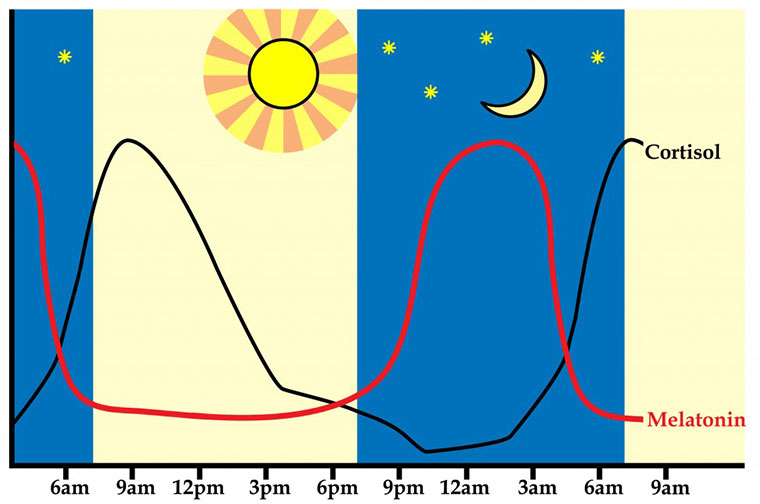
Epitalon – A Russian-developed bioregulator peptide associated with circadian rhythm regulation, telomerase activity, and potential DNA repair. Animal studies have explored it for retinal degeneration. Koniver previously combined it with pinealon. Banned by FDA.
Other Peptides Discussed by Koniver

Cerebrolysin – A cocktail of BDNF, ciliary neurotrophic factor, and other brain-derived compounds. Used for decades in post-stroke and post-traumatic brain injury settings, particularly in Europe. Koniver largely stopped using it because patients experienced a day or two of significantly depressed mood after treatment.
Dihexa – Described as “supposedly the most potent way to increase brain-derived neurotrophic factors.” Removed by FDA.
PT-141 (Bremelanotide) – A peptide taken off-label to enhance sexual performance and desire for men with low libido or erectile dysfunction.
PT-141 is not a blood flow drug like sildenafil (viagra). It is a melanocortin receptor agonist, and those receptors sit in the central nervous system rather than in the blood vessels, though the FDA notes the precise mechanism behind its effect on desire is still not established. It is also one of the few peptides on this list that licensed providers such as Hone Health will prescribe (for men), rather than something you have to source from the grey market.
Huberman’s Confirmed Personal Peptide Use
Huberman currently uses pinealon (pulsed, not nightly) for REM sleep. He previously used sermorelin 3-5 nights per week before discontinuing it, BPC-157 for an L5 disc injury (now banned), and tried MK-677 once. Details on each are covered in the relevant sections above.
FDA Regulation & Sourcing
The peptide landscape shifted in October 2023 when the FDA placed several popular peptides on a Category 2 list, meaning they could no longer be compounded by pharmacies. The banned peptides included BPC-157, CJC-1295, thymosin alpha-1, MK-677, and dihexa, among others.
As of March 2026, three peptides have been reapproved for prescription use in the United States: CJC-1295, ipamorelin, and thymosin alpha-1. Huberman noted this update in his podcast introduction just prior to the Koniver episode’s release.
In February 2026, HHS Secretary RFK Jr. mentioned on his Rogan appearance that BPC-157 and 13 other restricted peptides are expected to move from Category 2 back to Category 1 – restoring the legal pathway for compounding pharmacies. As of this writing, the FDA has not yet published the formal updated list, so BPC-157 remains technically banned.

Compounding Pharmacies vs. Gray Market
Dr. Koniver draws a sharp distinction between three tiers of peptide sourcing:
- Compounding pharmacies – FDA-regulated, state Board of Pharmacy-regulated, regularly inspected. They ensure sterility, test for endotoxins, and can customize dosages. A physician’s prescription is required.
- “Dark gray market” – Companies selling peptides labeled “not for human or animal consumption, for research purposes only.” These can potentially contain endotoxins (lipopolysaccharides/LPS) that have not been removed – with the potential to trigger dangerous inflammatory reactions.
- Black market – Unregulated, no quality control, potentially dangerous.
Huberman expressed strong concern about people turning to gray market sources now that certain peptides have been banned from legitimate compounding. He specifically warned that LPS contamination can be cumulative – it is not that one injection causes a reaction, but the inflammatory load builds until a tipping point is reached.

A key advantage of compounding pharmacies is the ability to combine multiple peptides into a single injection – something Koniver considers essential to effective peptide therapy.
How to Get Started with Peptides
Both Huberman and Koniver repeatedly emphasize several principles:
- Ideally work with a board-certified physician experienced with peptides.
- Ideally use a compounding pharmacy – not gray market or research chemical sources. Note: not all the countries/places have easy access to compounding pharmacies.
- Start conservative – one peptide at a time, at the lowest effective dose.
- Peptides are not a replacement for fundamentals – sleep, exercise, nutrition, and social connection come first. Peptides sit between doing nothing (besides lifestyle) and more aggressive hormone therapies.
For those without a local physician experienced in peptides, telehealth peptide clinics (like Live Vital) now offer remote consultations and can prescribe through compounding pharmacies.
Further Reading
If you enjoyed this article, you may also enjoy:
- Gary Brecka’s Peptides – his goal-based protocols for healing, growth hormone, and skin.
- Bryan Johnson’s Peptides – what powers the peptide side of his Blueprint longevity stack.
- Joe Rogan’s Peptides – a look at the recovery and performance stacks he runs.
- Andrew Huberman’s Supplements – covering the different supplements Andrew has discussed on his podcast.
References
- 1Peptide synthesis in vivo | Friedberg et al. | 1947 | Journal of Biological Chemistry ↩︎
- 2Mechano Growth Factor E peptide (MGF-E), derived from an isoform of IGF-1, activates human muscle progenitor cells and induces an increase in their fusion potential at different ages | Kandalla et al. | 2011 | Mechanisms of Ageing and Development ↩︎
- 3Metabolic studies of a synthetic lipolytic domain (AOD9604) of human growth hormone | Ng et al. | 2000 | Hormone Research ↩︎
- 4Evaluation of the effects of topical tripeptide-copper complex and zinc oxide on open-wound healing in rabbits | Cangul et al. | 2006 | Veterinary Dermatology ↩︎
- 5Topical Peptide Treatments with Effective Anti-Aging Results | Schagen | 2017 | Cosmetics ↩︎
- 6Therapeutic peptides: current applications and future directions | Wang et al. | 2022 | Signal Transduction and Targeted Therapy ↩︎
- 7Chemical messengers: a view from the gut | Grossman | 1979 | Federation Proceedings ↩︎
Disclaimer: The above information is for research and educational purposes only and not a substitute for professional medical advice. See full medical disclaimer.
Note: We have no affiliation with Andrew Huberman - this article is based on publicly shared information.